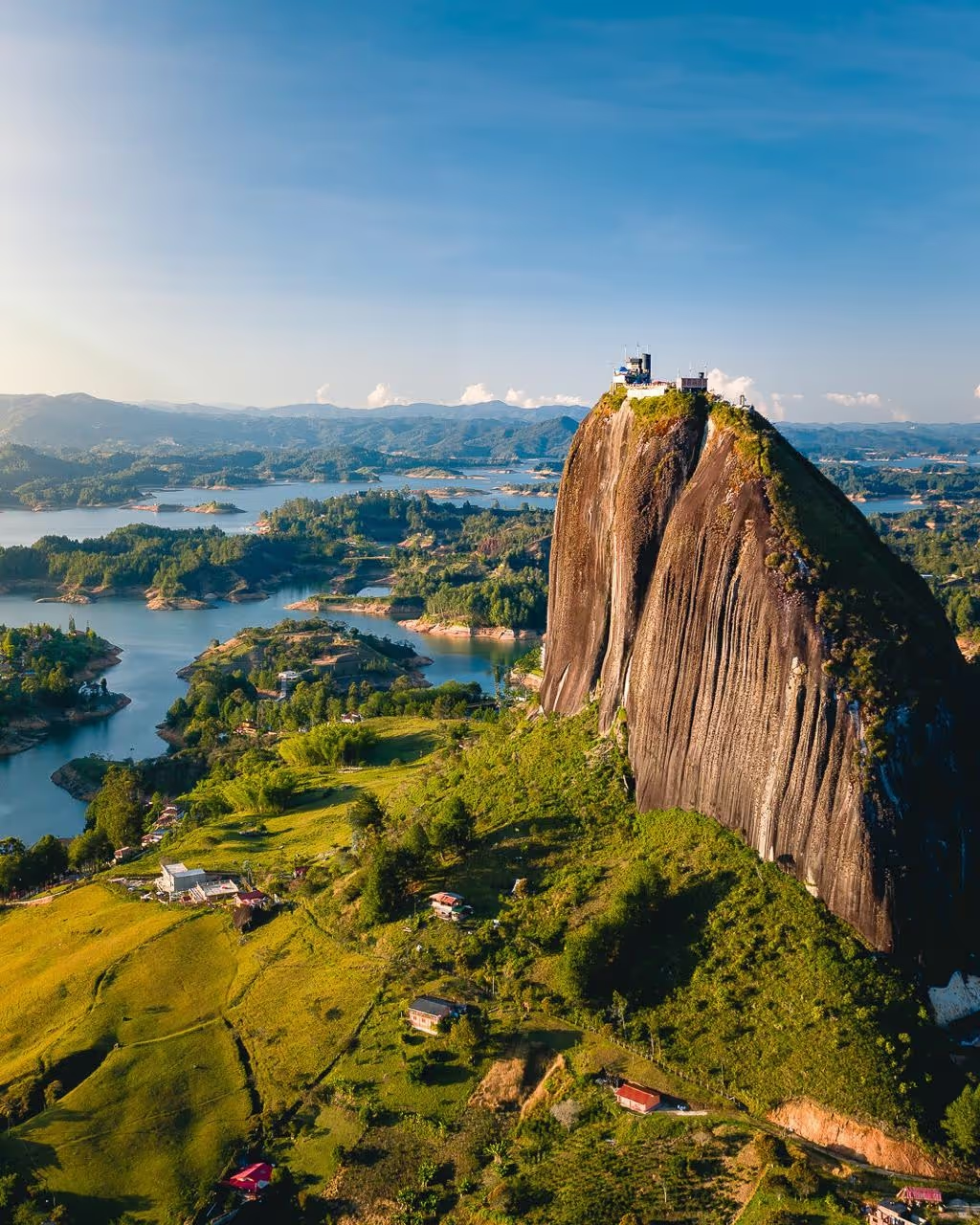
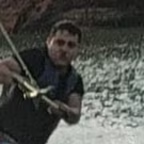


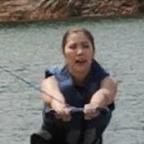



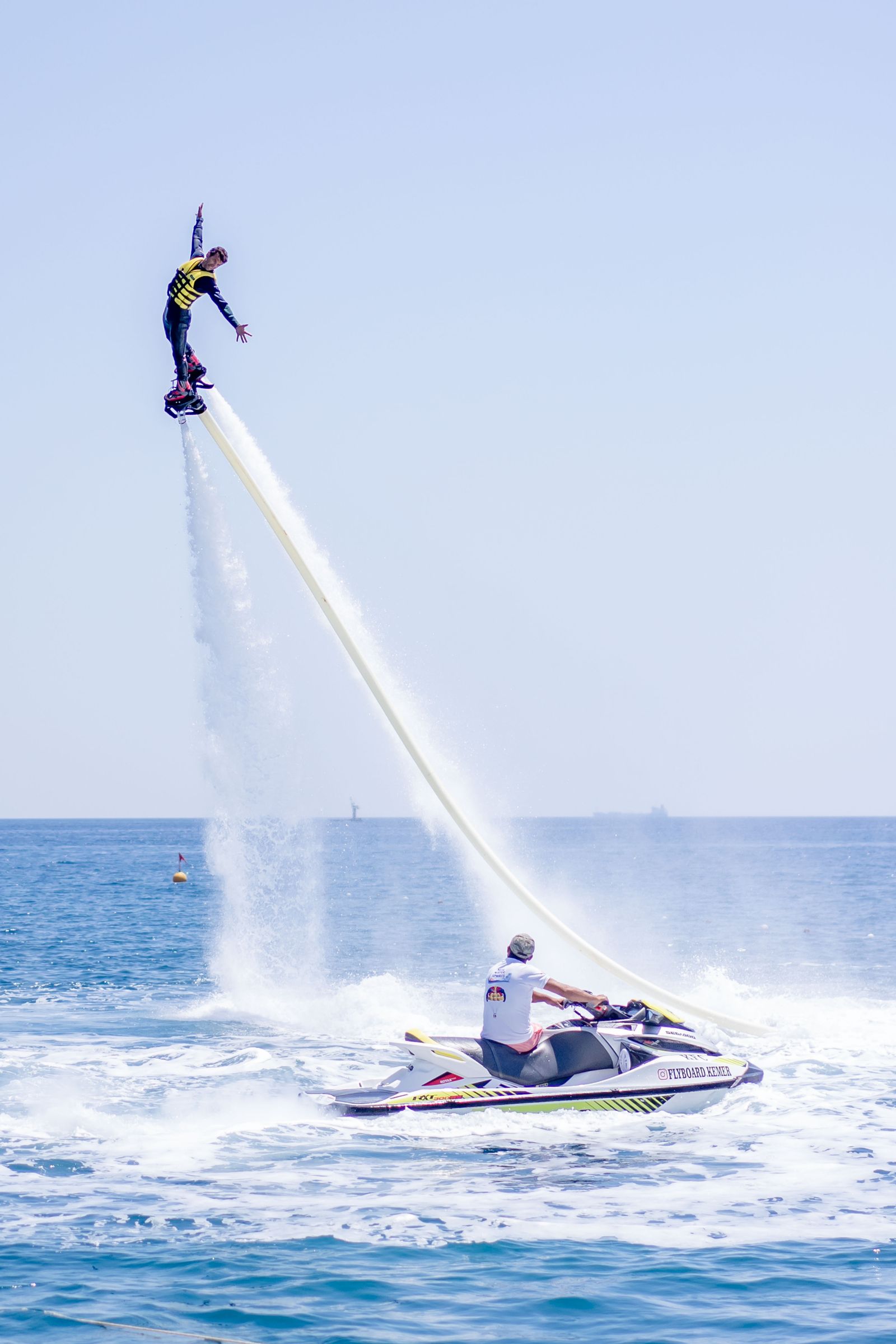
Flyboarding straps you to a board fed by a high-pressure water jet, lifting you a few metres above the surface. It looks absurd and it is enormous fun. Here is what a first session actually involves and how to get on one in Guatapé.
What a first session is really like
Most of your first session is spent learning to balance, and that is normal. Expect a safety briefing, a helmet and vest, then several minutes in the water working out how to stay upright before you get any real height. By the end of a first go most people are hovering a metre or so above the surface. Going higher takes practice, and the second session is always better than the first.
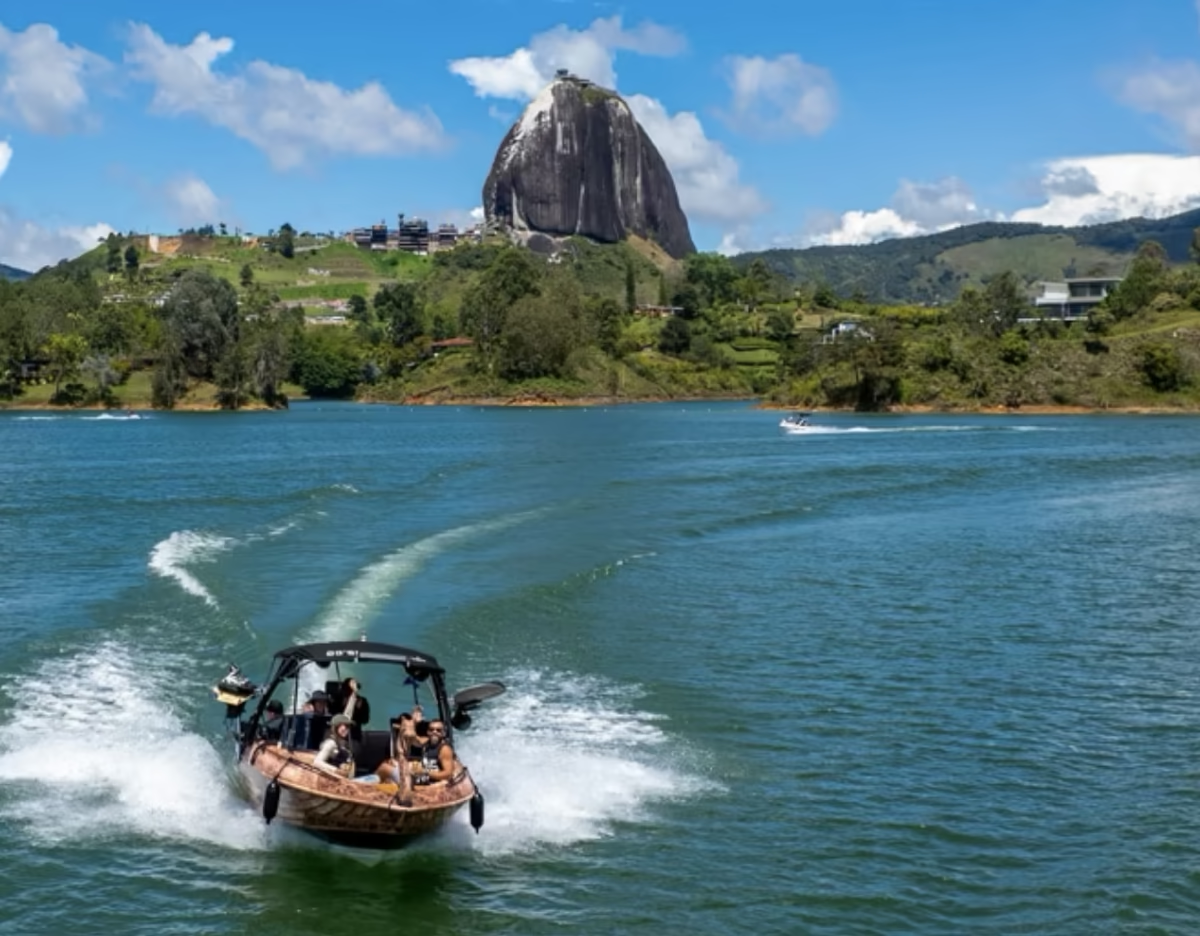
Why the reservoir suits it
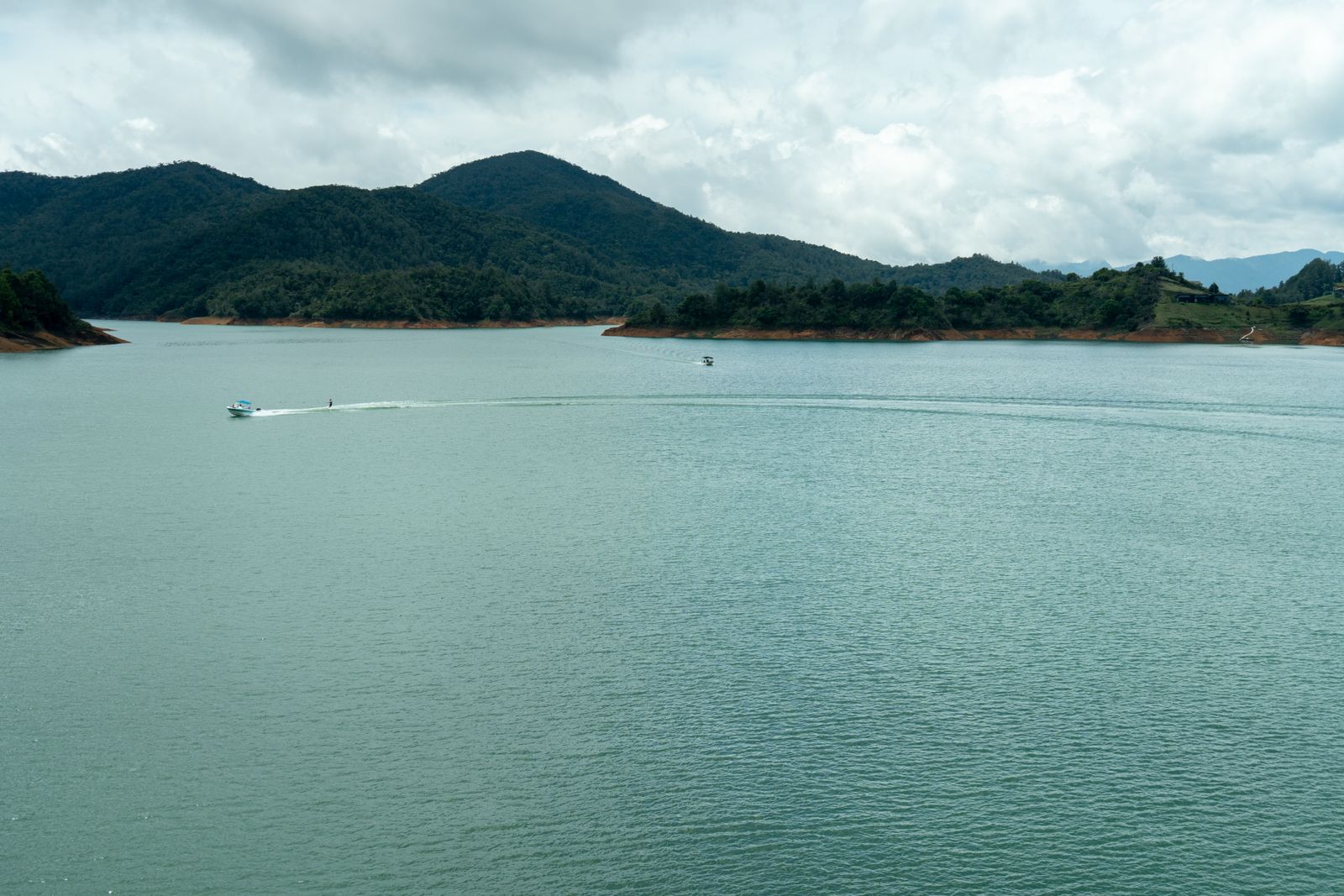
Flat, sheltered freshwater with no swell and no current. Mornings are glassy before the wind arrives, which is exactly what you want when you are learning to balance on a jet of water.
What to check
- That an instructor is on the boat controlling the throttle, not just watching
- Helmet and vest included
- How long the session is on the water, not counting the briefing
- Minimum age and any weight limits
Flyboard or a towed board?
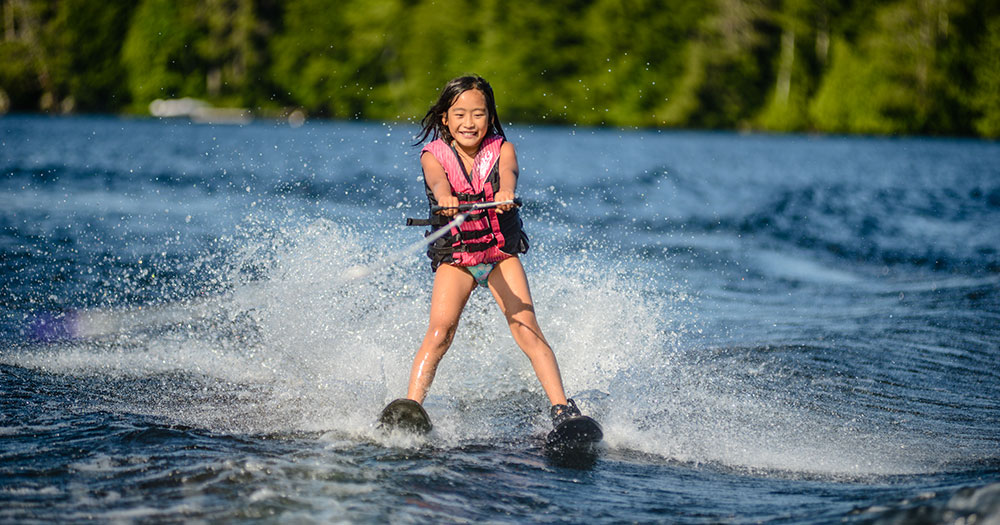
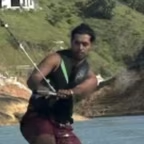
Flyboarding rewards patience. If you want a first day where you are up and riding within minutes, a towed board is the easier win: most first-timers get up on a kneeboard almost immediately and on a wakeboard within their first session. If you want the novelty and do not mind spending a while in the water learning, flyboard is worth doing at least once.
Book your flyboard session through us
We work with the flyboard operators on the reservoir and can arrange a session for you, including combining it with a morning behind our own boat. Tell us the date and how many of you there are and we will organise it.
Message us and we will take care of the booking.

.jpg)


.jpg)